Building Community While Building Communities

Clare LePan
Vice President, Communications & Strategic Partnerships
By Clare LePan, Vice President, Communications & Strategic Partnerships, Calgary Municipal Land Corporation
What makes a neighbourhood feel like a community?
I’ve considered this question often during my 15 years with CMLC. And while there are many possible answers, I’ve come to believe that the most important ones have surprisingly little to do with buildings.
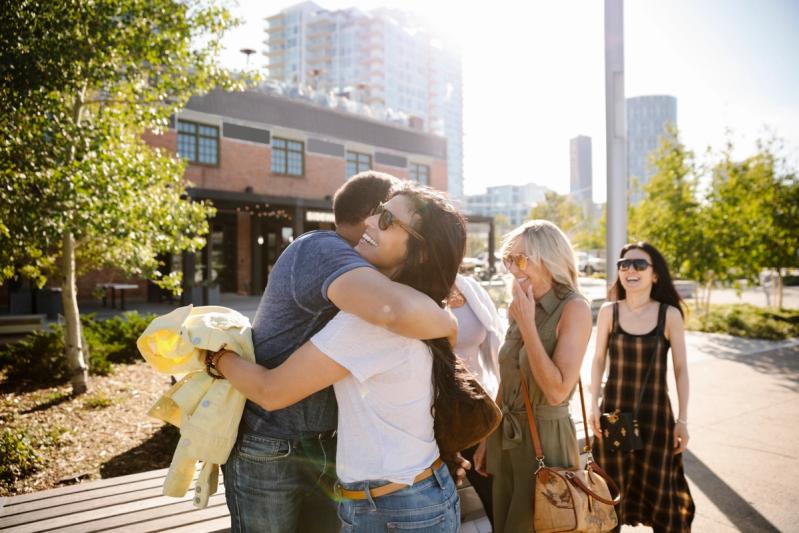
Sense of community is all about people. It grows out of the connections we make, the experiences we share, and the sense of belonging that develops when we feel part of something bigger than ourselves.
Great architecture, thoughtful urban design and inviting public spaces are all essential ingredients of successful neighbourhoods, but each is only a starting point. A beautifully designed plaza doesn’t become a gathering place simply because it’s been built. A neighbourhood doesn’t develop an identity the moment its first builders break ground.
These things take time, intention and an ongoing commitment to bringing people and places together.
At CMLC, we’ve learned that building a community is every bit as important as building the physical neighbourhood.And these two processes need to happen side by side.
Creating a sense of place before there’s a place
When we began transforming East Village nearly two decades ago, we faced a challenge familiar to anyone involved in urban revitalization: how do you help people see the potential in a place before it becomes everything you’ve envisioned?
While East Village had an ambitious master plan, much of the physical transformation was still years away. We couldn’t wait for new residential buildings, shops and restaurants to take shape before giving Calgarians reasons to visit and experience the neighbourhood.
We needed to start creating those reasons ourselves.
An important first step was establishing a distinctive place brand—a clear expression of East Village’s identity, character and aspirations. Far more than a marketing exercise, the brand became a foundation for building community and attracting investment, giving development partners a shared vision and future residents a sense of what life in the neighbourhood could become.
We also recognized that vacant land could be an opportunity rather than simply a placeholder for future development.
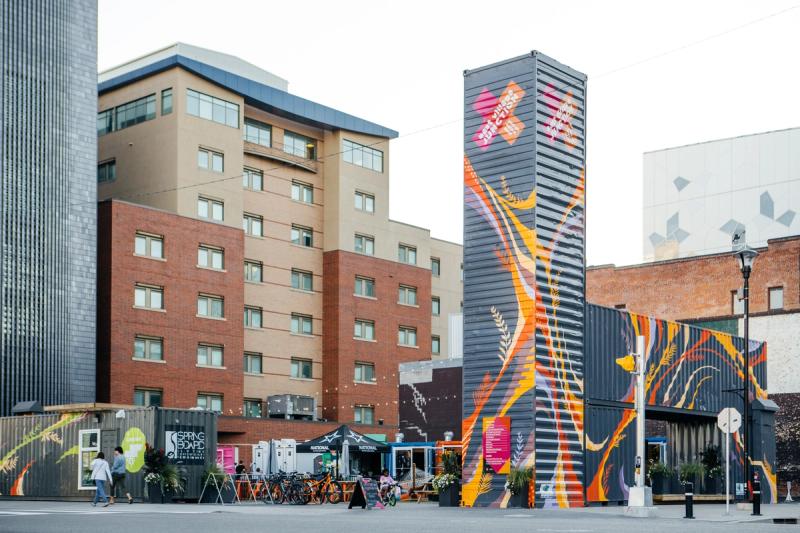
East Village Junction demonstrated this beautifully. By transforming an undeveloped site into a temporary retail and gathering destination, we introduced commercial activity and community experiences before the surrounding neighbourhood could support a conventional retail environment.
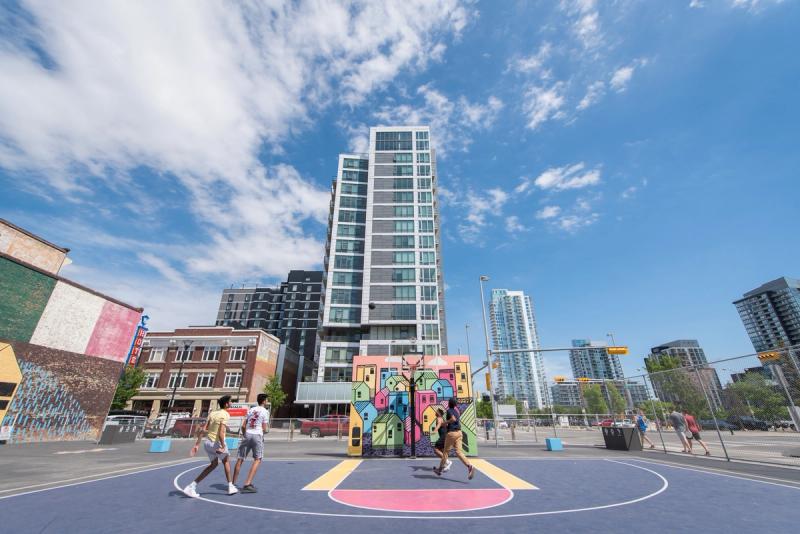
Later, as the neighbourhood’s needs evolved, we reimagined the same site as The Bounce. With its colourful basketball court, games and public art, this urban playground became a place where people of different ages and backgrounds could come together for recreation and shared experiences.
Neither initiative required permanent buildings or elaborate infrastructure, yet both helped shift how people perceived the neighbourhood.
And that matters enormously.
Before people can imagine living, working or investing in a place, they often need to experience it differently. They need to develop positive associations with it. They need to see its possibilities.
Sometimes the most valuable thing we can build on a vacant lot is a connection.
The art of bringing people together
Placemaking is sometimes described as the process of transforming public spaces into places people want to be.
To me, it’s much broader than that.
At its heart, placemaking is about creating the conditions for community to emerge—through experiences that invite participation, spark conversations, build relationships and give people a shared sense of ownership in their neighbourhood.
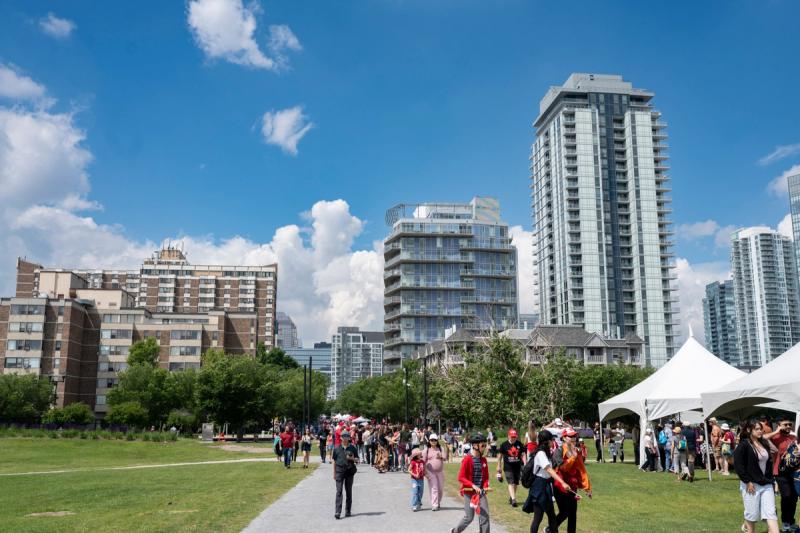
Such experiences can take many forms. It might be a large public festival that introduces thousands of visitors to an unfamiliar part of the city. Or it might be something as simple as neighbours meeting over coffee, watching their children play or tilling soil side by side in a community garden.
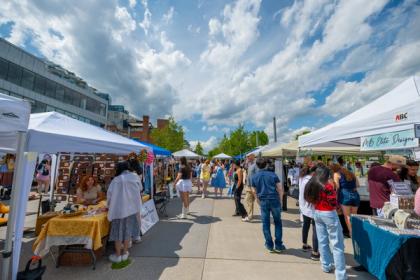
In East Village, we’ve experimented with everything from unexpected cultural experiences to community markets, outdoor performances and neighbourhood celebrations.
Our partnerships with arts and cultural organizations have been particularly valuable, bringing creativity and new audiences into public spaces while helping establish East Village as a place where out-of-the-ordinary things happen.
Over time, individual events become part of a neighbourhood’s collective memory. People return to places where they’ve enjoyed themselves, made connections or experienced something memorable.
As those experiences accumulate, a distinctive neighbourhood identity begins to take shape.
There’s an important distinction here between attracting people to a place and helping them feel connected to it. A successful event can generate excitement for an afternoon. Successful placemaking builds on that excitement, providing myriad reasons for people to return, to participate and, over time, to develop a deep sense of belonging.
That’s why programming isn’t simply an add-on to physical development. It’s an essential part of community-building.
Stewardship is placemaking, too
Of course, it takes more than memorable events to create a sense of belonging.
No less important is the everyday experience of a neighbourhood: whether its public spaces are clean and welcoming, whether people feel comfortable using them, whether there’s a visible commitment to caring for the community.
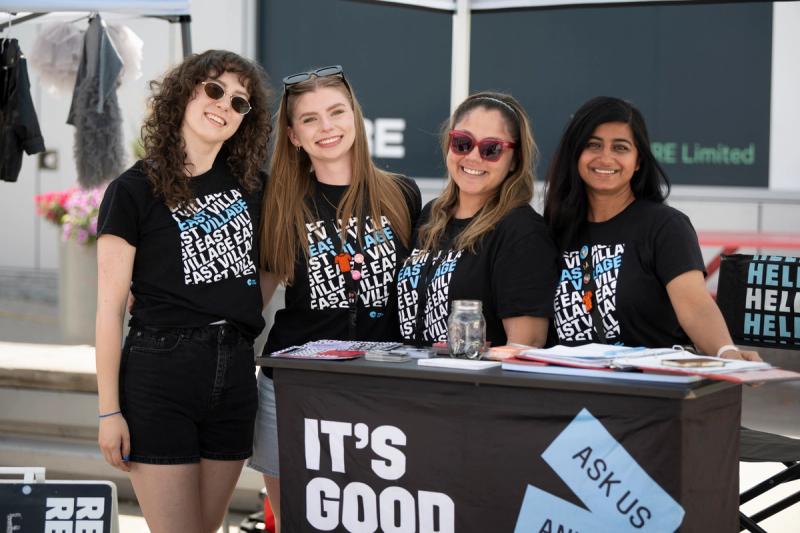
These seemingly ordinary considerations have a powerful influence on how people perceive and experience a place.
In East Village, our approach to placemaking has evolved alongside the neighbourhood itself. As more residents and businesses have arrived, our role has expanded beyond introducing people to the community to helping sustain its vitality.
Our EAST Team has become an important part of that work, supporting programming, maintaining a visible presence in public spaces and helping connect residents, visitors and businesses.
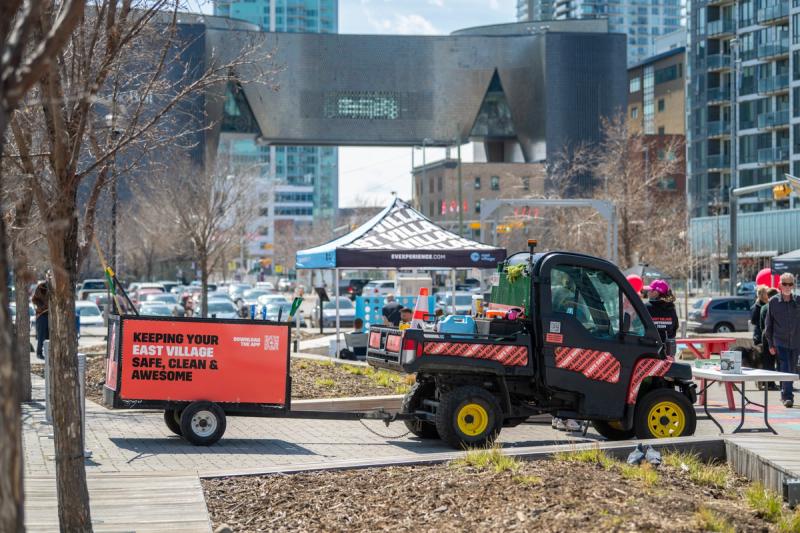
Initiatives such as our Safe, Clean, & Awesome program and the EV Safe & Clean app reinforce our commitments by making it easier to identify concerns, communicate with the community and respond to everyday maintenance and safety needs.
As East Village has evolved, increasingly complex challenges have demanded greater attention to safety, cleaning and maintenance. Meeting those challenges requires ongoing investment, responsive partnerships and a willingness to adapt our approach as community needs change.
A well-maintained public space sends the message that someone cares, and a visible commitment to safety helps people feel comfortable and secure in their surroundings.
While such work isn’t always glamorous, it’s essential to creating a community where people want to spend time, establish roots and invest in the future.
Placemaking isn’t just about creating extraordinary experiences. It’s also about making ordinary experiences consistently positive.
Building community through change
The lessons we’ve learned in East Village are now informing our approach to Calgary’s Culture + Entertainment District—a rapidly evolving urban district where major construction projects will continue to reshape the landscape for years.
It’s easy to think of construction as an interruption to community life—something to endure until development activities wrap up. But we’ve come to see these transitional periods as opportunities.
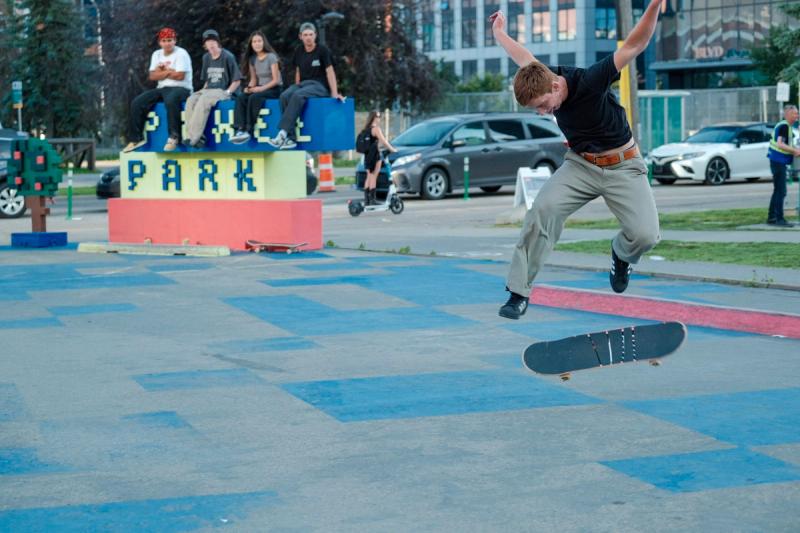
Pixel Park is a great example.
Created as a temporary public amenity during an extended period of development, it brings together recreation, gathering spaces and programming in a district seeing significant construction activity.
Like The Bounce, Pixel Park demonstrates that meaningful public experiences don’t need to wait for the surrounding buildings to be completed. In fact, these early experiences can help establish the character of a district while it’s still taking shape.
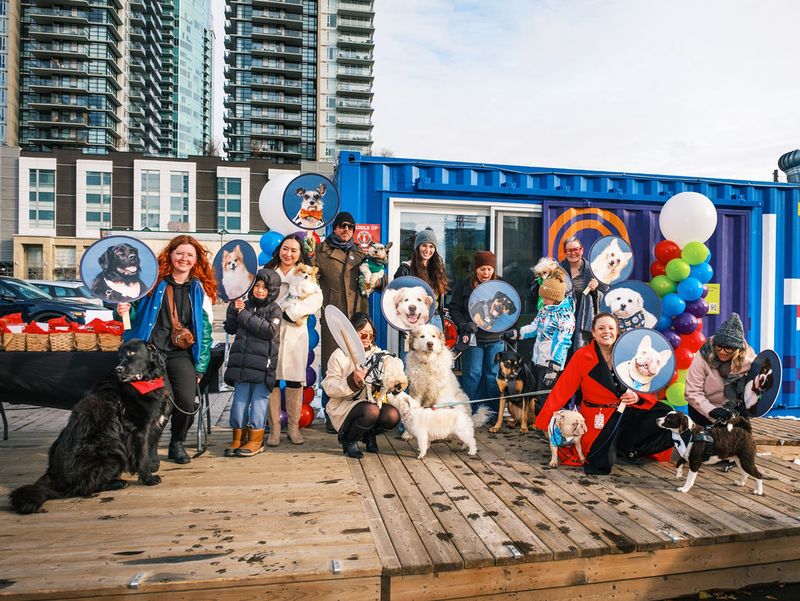
They introduce people to new possibilities, encourage return visits and begin creating the social connections that will eventually support a more established community.
The physical environment may be changing constantly, but the process of building relationships and a shared identity can begin immediately.
A community is never really finished
Perhaps the most important lesson from our work is that community-building doesn’t have a completion date.
Neighbourhoods are living places: their populations change, their businesses evolve and their needs shift over time. The experiences that attract people to a neighbourhood in its early years may be very different from those that sustain a mature residential community.
Our approach to placemaking must evolve accordingly.
In East Village, that means continuing to listen to residents and businesses, adapting our programming, investing in safety and maintenance, and finding new ways to bring people together. It also means nurturing the partnerships that sustain an active community. More than 100 programming partners have helped us bring public spaces to life through an extraordinary range of events and experiences.
And just as our programming evolves, so does our place brand, reflecting the changing character of East Village and the people who call it home.
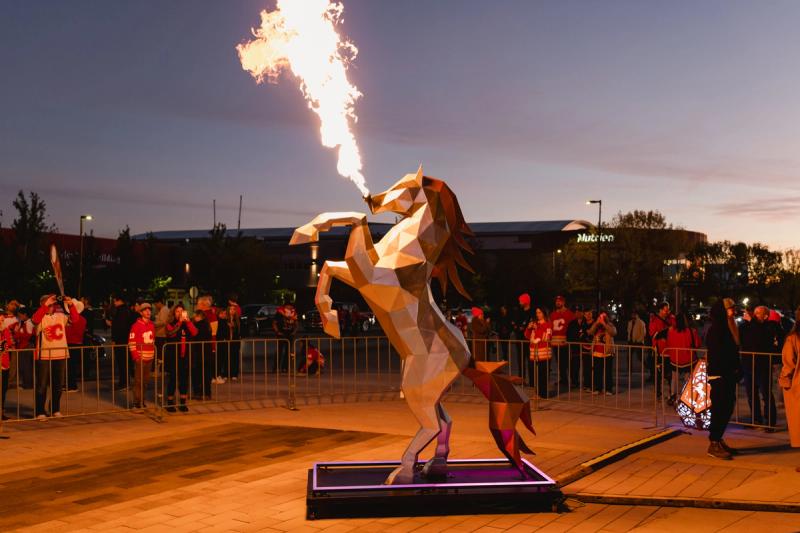
In The Culture + Entertainment District, it means building a cohesive identity that brings together the family of brands shaping its future, laying a foundation for community to grow even as major construction continues.
And as CMLC applies our city-building experience to new opportunities elsewhere in Calgary, it means recognizing that the social dimensions of community development deserve attention from the very beginning.
After 15 years of watching neighbourhoods transform, I’m convinced that the most successful places aren’t necessarily those with the most impressive buildings or the most ambitious master plans. They’re the places where people feel connected—to their surroundings, to their neighbours and to the experiences that make a community their own.
That’s the real art of placemaking.
We build the physical spaces that make community possible. But it’s the people, relationships and shared experiences that bring those spaces to life.