The Making of a Transit-Oriented Community Master Plan
- Part 3 of the Transit-Oriented Communities by CMLC Education Series
- How community engagement, and market analysis come together to shape a transit-oriented community master plan
- The phased planning and approvals process behind TOC development, from early engagement through to regulatory review and implementation
- Why balancing community input, market realities, infrastructure considerations and long-term city-building goals is critical to successful TOC planning
- How CMLC works collaboratively with communities, planning teams and The City of Calgary to refine and deliver responsive, achievable master plans
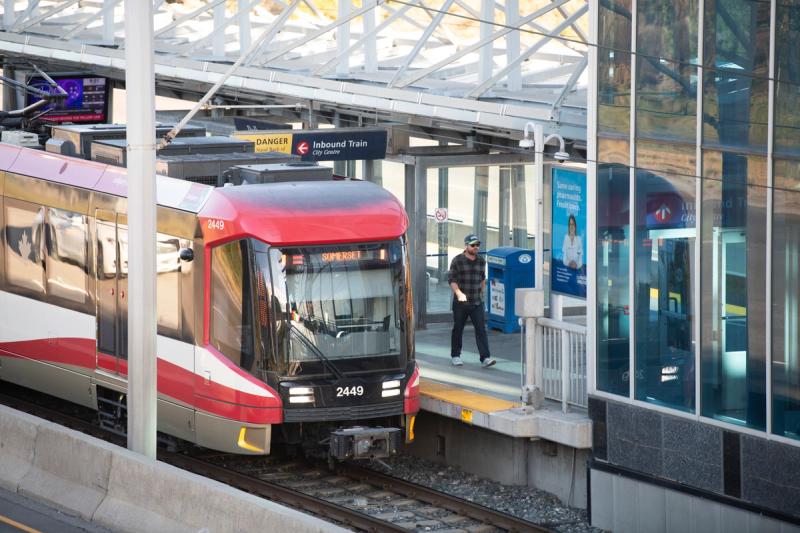
Behind every transit-oriented community is a process—one that brings together technical analysis, community input and careful coordination across multiple interest holders.
For CMLC, the development of a TOC master plan is not a single step but a structured, phased approach designed to build understanding, refine ideas and arrive at a plan that’s both ambitious and achievable.
Starting with engagement
Community engagement is a foundational part of the TOC planning process.
From the outset, CMLC has committed to a comprehensive, phased approach that brings residents, businesses and interest holders into the conversation at key points throughout the process.
As Chris Andrews of CIMA+|B&A notes, “A successful planning process around transit is really engaging the public on what their concerns are, how they use the sites, how they interact, and how, together, we can identify opportunities on these sites.”
“CMLC’s comprehensive community engagement program begins even before planning teams are on board and continues through delivery of the community,” adds Emma Stevens, CMLC’s Director of Communications and External Relations.
This process begins with a preliminary survey designed to establish a baseline understanding of community perspectives, priorities and concerns.
From there, engagement expands to include:
- Community association meetings
- Workshops focused on specific topics
- Public open houses
- Online engagement opportunities
Each phase builds on the last, creating an ongoing dialogue rather than a one-time consultation.
In our early phases of engagement with our initial three TOC sites, a few key themes emerged, all of which we are digging into further and will address through the planning process:
- Safety and vitality
- Connectivity and parking
- Accessibility and access to services and amenities
- Housing options and affordability
- Community context and character
You can see the full results of our preliminary community insights survey on the engagement portal.
From input to insight
Collecting input is only part of the process. Equally important is how that input is analyzed and applied.
At each stage, CMLC synthesizes what we hear, identifying key themes, areas of alignment and points of concern. We then use these insights to refine the emerging plan.
This “what we heard/what we did” approach ensures transparency and accountability, helping communities understand how their input is influencing outcomes.
Navigating the approvals process
Developing a TOC also involves advancing through the regulatory environment.
This includes working with The City of Calgary on:
- Land use and zoning considerations
- Infrastructure planning
- Transportation integration
- Regulatory approvals processes
CMLC works closely with The City throughout this process, aligning planning efforts and addressing challenges early.
“Like any other development in Calgary, CMLC follows The City of Calgary’s regulatory approvals process, which includes a rigorous review that engages representatives of The City’s planning, mobility, transit, utilities, infrastructure, and parks and open spaces business units to ensure the plan meets or exceeds City standards across all criteria,” says Nathan Flach, CMLC’s Director of Design.
This coordination streamlines approvals, reduces uncertainty and supports a coherent, deliverable plan, benefiting both the community and future development partners.
The role of market analysis
While engagement and planning establish direction, market analysis ensures that the plan is grounded in reality.
Working with a third-party market analyst, CMLC has conducted detailed analyses of Calgary’s housing and commercial markets as well as site-specific assessments for each TOC location.
This work examines:
- Potential housing density and building typologies
- Retail and commercial opportunities
The goal is to align the plan with what the market can reasonably support—both today and over time.
“CMLC’s TOC master plans will be informed by market analysis, and developer and community input, and they will provide flexibility to respond to changing market conditions as developments are delivered,” says Nathan.
This ensures that TOC plans are not only visionary but achievable.
Integrating multiple inputs
One of the defining challenges of TOC planning is integrating multiple streams of input into a cohesive plan.
These include:
- Community feedback
- Technical analysis
- Market data
- Policy and regulatory requirements
- Design objectives
Each of these inputs carries weight. The planning process involves balancing them—resolving tensions, identifying opportunities and making informed decisions.
“The feedback we receive through the regulatory review and through community engagement is then layered into a revised version of the plan,” says Nathan.
It’s all about bringing together different perspectives and constraints to create something that works as a whole.
From concept to master plan
As the process advances, early ideas are refined into a formal master plan.
This plan typically includes:
- Land use distribution
- Development density and form
- Public spaces and open space networks
- Transportation and connectivity strategies
- Phasing and implementation approach
It provides a clear vision for how the site will evolve while allowing for flexibility as conditions change.
Continuing the conversation
Even after a master plan is developed, engagement continues.
CMLC’s process includes a final phase focused on reporting back to the community, sharing what we heard, how it was addressed and what comes next.
This helps close the loop and maintain trust as the project moves toward approvals and implementation.
“It’s important for us to engage the community throughout the planning process,” says Emma. “First, to ensure we understand the context of the community – the existing opportunities and challenges of the area, and how a TOC might be able to support those needs. But it’s also important because, for CMLC, our work isn’t done once the master plan is approved. We and our developer partners will be working alongside community for years to come as we work to realize the master plan vision for the TOC and, eventually, to welcome new neighbours to the community. We’re building a long-term relationship with community.”
A collaborative process
Ultimately, a TOC master plan is the result of a highly collaborative effort.
It involves:
- Public sector leadership
- Private sector expertise
- Community input
- Technical analysis
Each plays a role in shaping the outcome.
By layering engagement, analysis and coordinated planning, CMLC’s approach aims to deliver TOC master plans that are both responsive and resilient, reflecting community priorities while supporting long-term growth and city-building goals.